

The concept of planting a whole body into the ground and growing a tree—also known as tree pod burial—has garnered a lot of buzz in the last few years. However, at this point it is just a concept rather than an actual and available form of death care.
What is Tree Pod Burial?
The widespread notion of tree pod burial involves the hypothetical process of placing an entire body into an oval membrane (pod), burying the pod in the ground, and then planting a tree on top of the pod.
Problems with Tree Pod Burials
- The oval pod itself does not yet exist
- It would be difficult or even impossible to insert a body into a pod of this supposed shape and size
- The conditions created in the buried pod are unlikely to actually nourish a growing tree
Perhaps these issues may be solved at some point and the tree pod burial option will evolve, but it is not currently a viable end-of-life option.
Cremation Pods
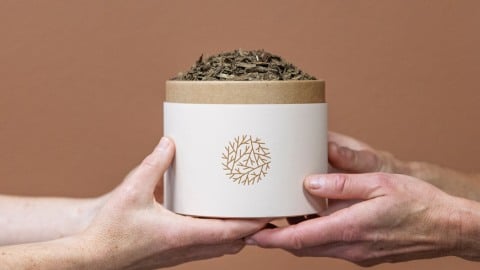
A somewhat similar experience—sometimes called cremation pods—do exist and are commercially available. However, these require cremation, which uses fossil fuels and emits carbon dioxide and other harmful particulates during the process. Unlike soil created from human composting, cremated remains do not have the right pH or nutritional content for growing plants and trees—in fact, cremated remains in high concentrations can actually harm plants.
Tree vs Forest
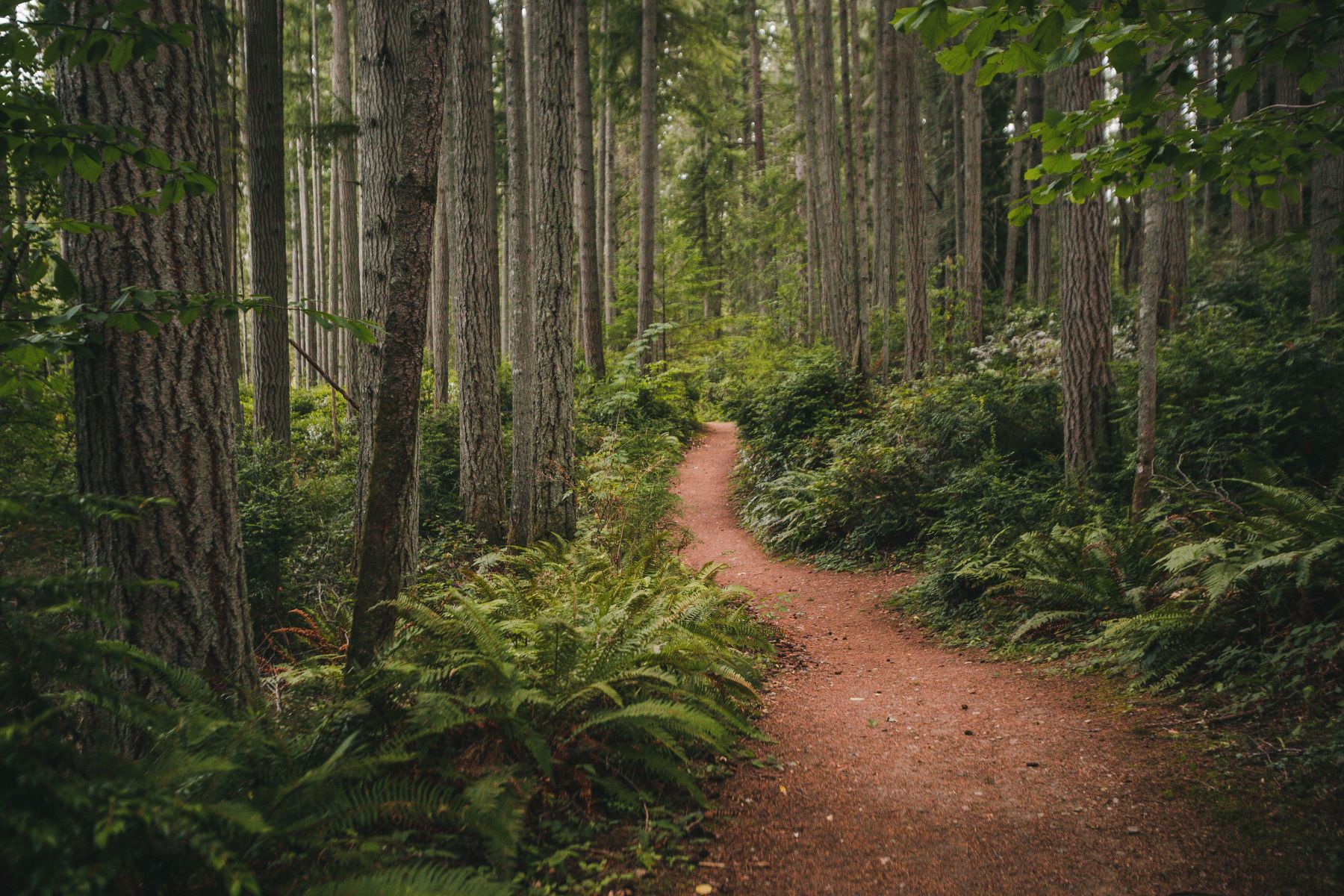
We understand the desire to become a tree. In fact, at Recompose, we take it one step further. We help people become part of the entire forest by offering multiple ways to return to the natural world.
Clients can choose to donate their nutrient-dense, beneficial soil to restoration projects across diverse, protected landscapes through the Recompose Land Program. Soil is donated to nonprofit conservation organizations that use it to reverse the loss of habitat and biodiversity to allow nature to flourish again. Instead of becoming a tree, they become part of the forest. Clients also use soil to plant trees on private property and nourish existing trees and plants with the compost of their loved one.
What is Human Composting?
The biological process of human composting mimics the earth’s natural cycles in a controlled environment and is similar to what occurs on the forest floor as organic material decomposes and becomes topsoil.
