


Our Services

Based in Seattle, Washington, Recompose provides human composting services in all 50 states.

See Pricing

Immediate Need

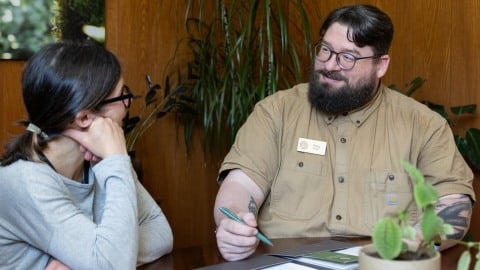
If a death has occurred or is expected soon, we're here to support you. Call us anytime at (206) 800-8733.

Learn More

Imminent Pathway

Extended support as you navigate a terminal diagnosis, hospice, or the end of life.

Learn More

Plan Ahead

Set up your future human composting with our prepaid funeral plan, Precompose. It's simple, flexible, and risk-free.

Learn More

Ceremony Offerings

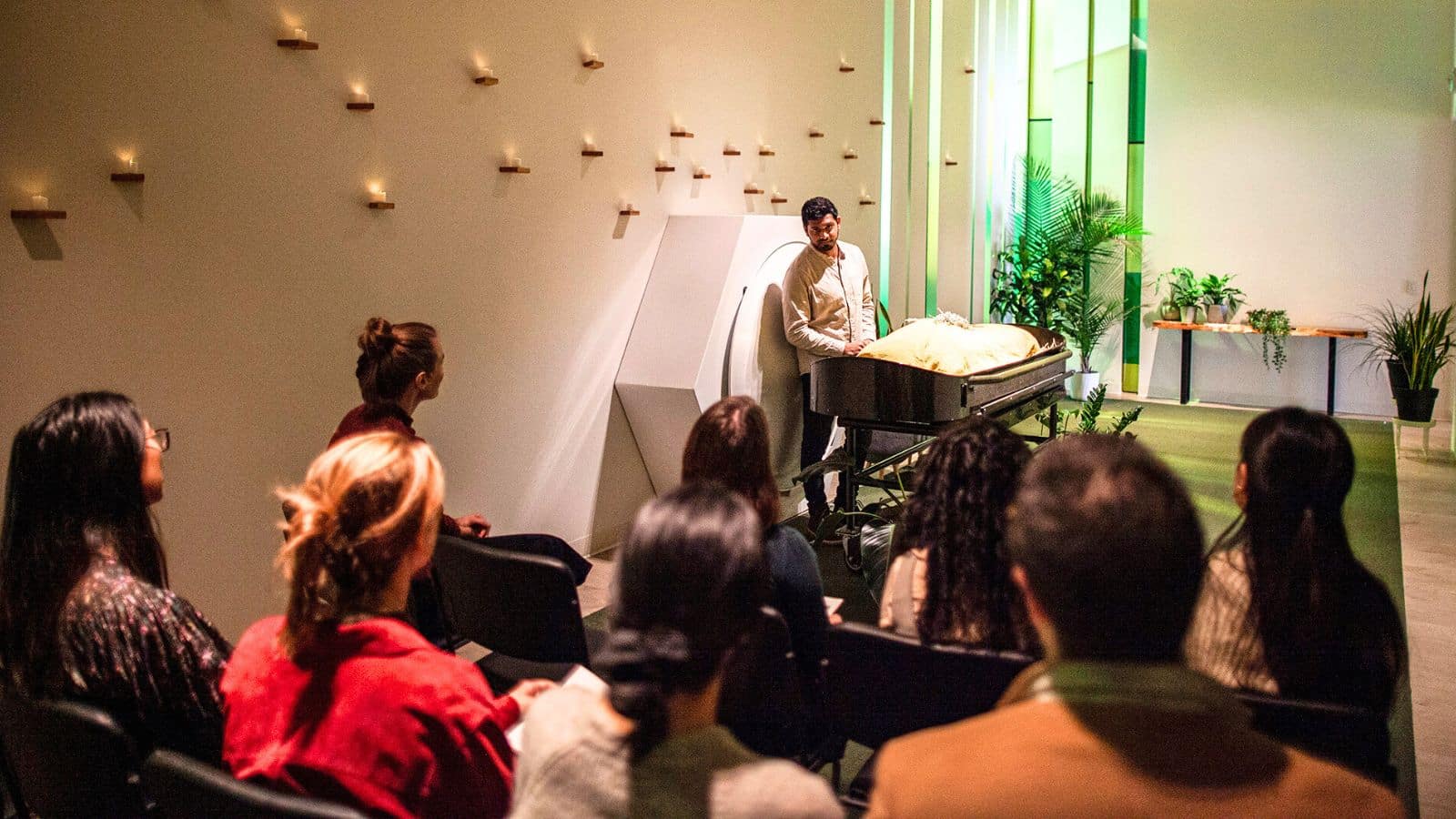
Plan a custom ceremony in one of our thoughtfully curated spaces. Each experience can be tailored to fit your needs and traditions.

Learn More

What happens to bones and teeth during human composting?

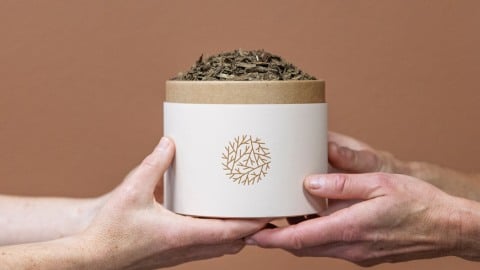
human composting vessels

Schedule a Tour

Visit the world’s first human composting facility in person or online. Learn how the process works and see the Greenhouse where human composting takes place.

photo of trail in woods

Plan For The Future

Prearranging for human composting with Recompose is straightforward and saves money by securing today’s price for your future services. 

Bones and teeth do not fully break down in the human composting process due to their mineral composition. Similar to other forms of death care, equipment is needed to reduce the bones.

Microbes do the primary work of human composting. By controlling the ratio of carbon, nitrogen, oxygen, and moisture, human composting creates the perfect environment for microbes and beneficial bacteria to thrive. To create that environment, Recompose uses a mixture of plant materials carefully calibrated and tailored to each body.

Recompose staff rotate each vessel at several points during the process to ensure thorough aeration and exposure to resources for the microbes.

Bones are reduced to a fine powder by equipment after the soil is removed from the Recompose vessel. Staff also screen for non-organics such as implants, which are recycled whenever possible. The reduced bone is added back to the compost to help balance the compost nutrients and make minerals available to plants. It continues to break down and return to the environment over time.

Recompose follows all compost-testing regulations put forth by the Washington State Department of Licensing and the Board of Health. The pH range of Recompose compost is usually between 6.5 and 7, which is ideal for most plants.

Learn more about the human composting process.
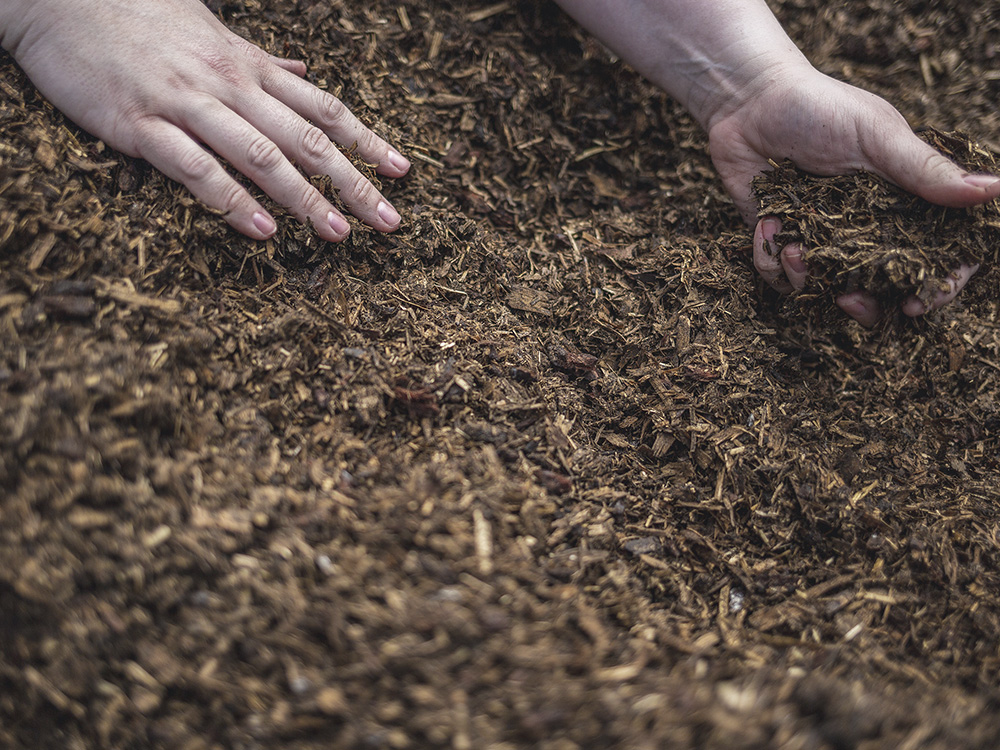
sample human composting soil with hands holding soil
Sample compost, not created from a human body, that has been through our composting process.
Human Composting > Process & Science

Is all human composting soil the same quality?

View

Human Composting > Process & Science

What is human composting?

View

Branch illustration, dark color

Stay in Touch

Get the latest on human composting + inspiring content about the end of life

Branch illustration, dark color

Stay in Touch

Get the latest on human composting + inspiring content about the end of life