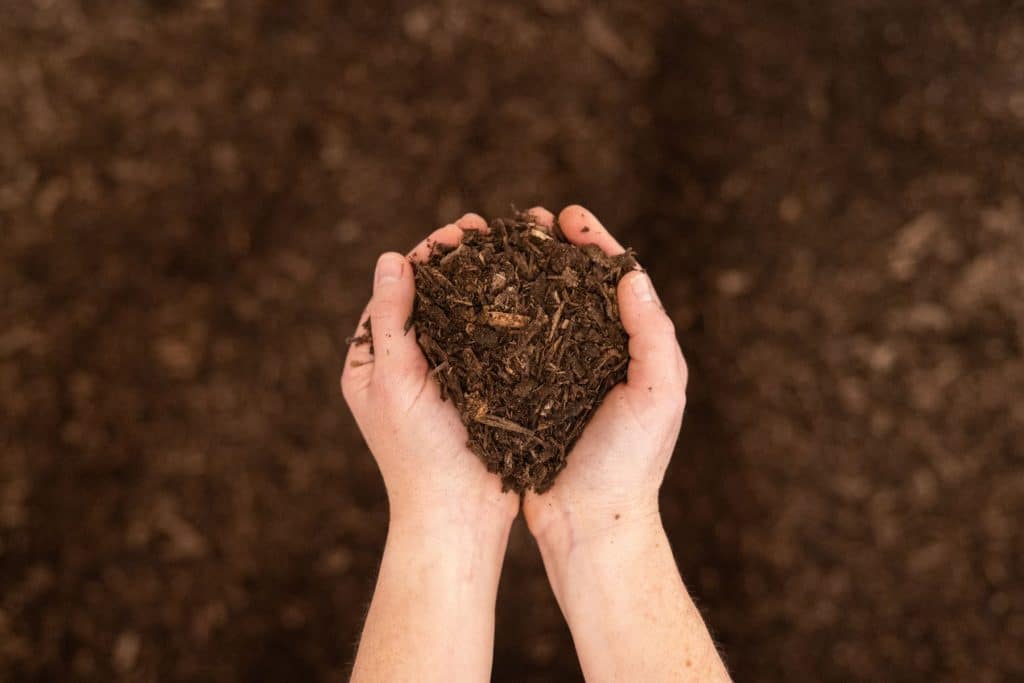






No. There can be a significant difference in the quality of soil produced from human composting. Soil quality directly impacts its ability to support healthy plant growth and overall soil health. Factors such as nutrient availability, pH balance, and microbial stability all contribute to its effectiveness.
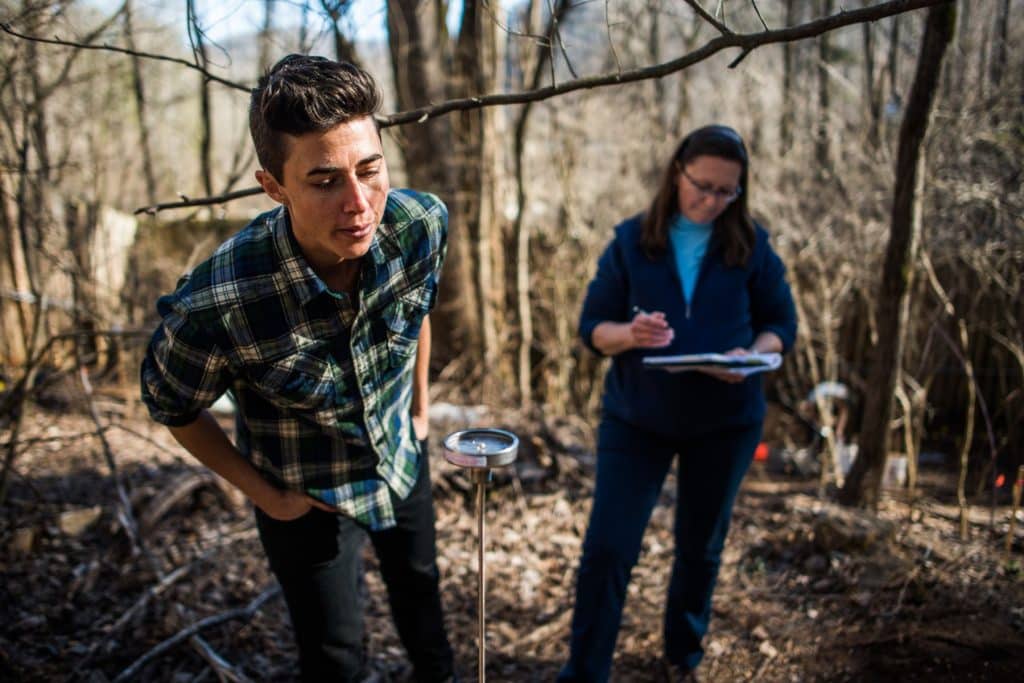
Recompose is proud to pioneer this field and lead the way in producing high-quality, nutrient-rich soil. In 2015, Recompose founder, Katrina Spade, worked with Western Carolina University Professor Cheryl Johnston to test the human composting concept and completed the process on a human body for the first time. In 2018, we partnered with Washington State University’s Soil Science Department to ensure our process is safe and effective (see the research overview here).
Since then, we’ve spent countless hours perfecting our system and our carefully calibrated recipe of plant materials tailored to each individual to ensure the process yields exceptional results. Every step of the Recompose process is carefully managed and monitored to produce a balanced, stable, and plant-ready soil.
Key benefits of our soil include
- Ideal pH between 6.5 and 7—perfect for most plants
- Balanced macronutrients (nitrogen, phosphorus, potassium, sulfur) to support healthy growth
- Moderate electrical conductivity, indicating a steady presence of plant-available nutrients
- High nitrate levels and a “Very Stable” microbial respiration rate, signaling advanced decomposition and soil maturity
- Comprehensive testing in compliance with Washington State regulations ensures safety and consistency