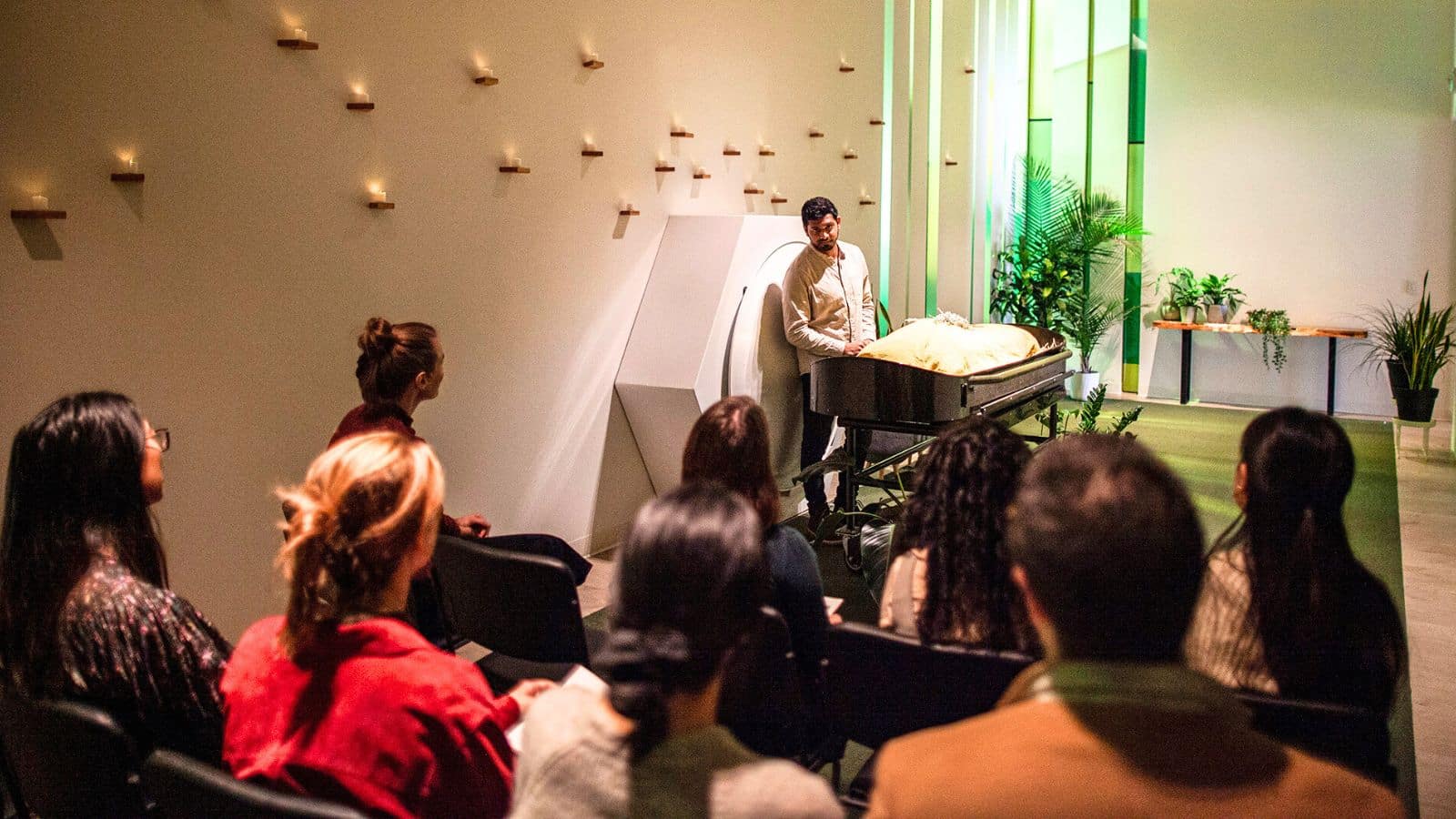
The quick answer is, yes, embalming is bad for both the environment and the embalmers who prepare the body.
The Environmental Impact of Embalming Fluid
Modern embalming practices heavily rely on formaldehyde-based fluids, recognized for their high toxicity and potential for severe ecological harm. During the embalming process, the blood is drained, and the internal organs are removed and replaced by a chemical solution, primarily of formaldehyde, which is tinted pink to give the skin a “healthy glow.” Formaldehyde has been proven to cause cancer.
The embalming process is resource-intensive and has considerable environmental consequences. Embalming fluid leaches from the casket into the Earth, which can lead to the contamination of both soil and groundwater, posing a tangible risk to human health and the broader environment.
The History of Embalming
The modern practice of embalming was invented during the Civil War when surgeons began experimenting with preserving the dead to send slain soldiers home to their families. The journey of Abraham Lincoln’s embalmed body from the White House to Oak Ridge Cemetery in Springfield, Illinois, where it was viewed by over one million people, is thought to be the birth of the modern embalming practice.
Today, the roughly 40% of Americans who choose conventional burial will have their bodies embalmed. Sometimes, funeral homes even encourage embalming for bodies that will be cremated.
While some less toxic embalming fluids have been developed, the funeral industry has generally avoided their use, deeming them less effective in providing the “everlasting effect” desired for dead bodies. The funeral industry tends to promote embalming as a necessary step in the funeral process, but it is not required by law in most states.
The Benefits of Eco-Friendly Funeral Options
Conventional burial practices are designed to delay natural decomposition and pose significant environmental concerns. Alternatively, eco-friendly funeral options lean into natural decomposition and away from embalming fluids and other toxic chemicals.
Natural Burial
Natural burial is a significantly more eco-friendly funeral option compared to traditional burial, primarily because it entirely avoids the use of harmful chemicals. Designated natural burial grounds prioritize the use of biodegradable resources and are managed in a way that does not harm the environment, making them a far more sustainable choice. In natural burials, biodegradable caskets made from materials like wicker, bamboo, cardboard, or untreated wood are used. And shrouds from natural fiber cloths like cotton, linen, or hemp are used to wrap the body.
Human Composting
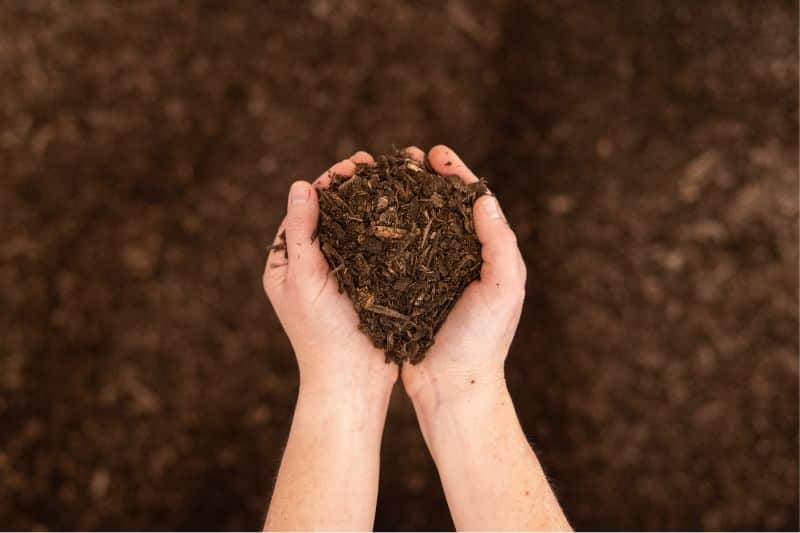
Human composting is the transformation of a human body into soil. The biological process mimics the Earth’s natural cycles in a controlled environment and is similar to what occurs on the forest floor as organic material decomposes and becomes topsoil.
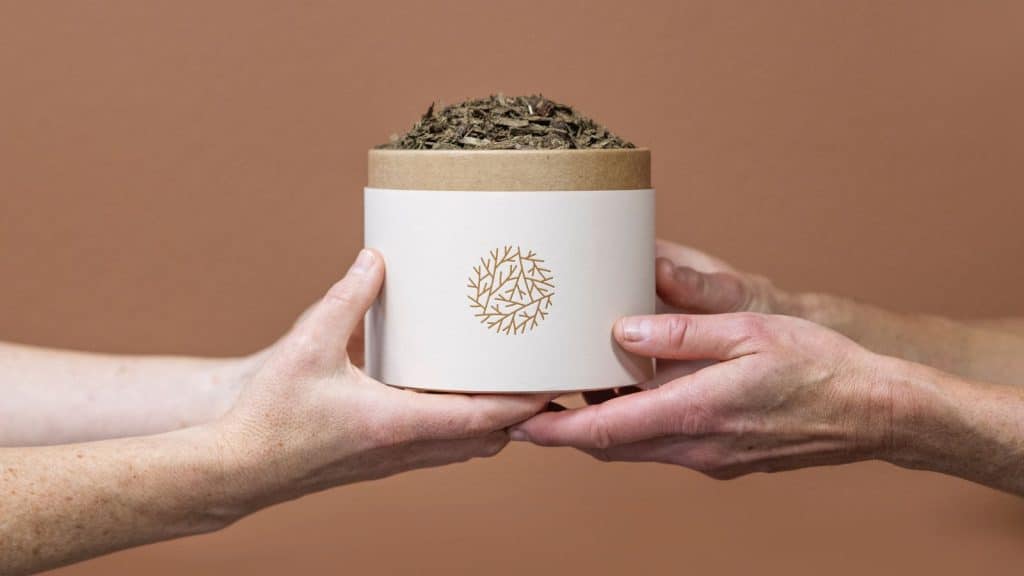
A body is placed into a stainless steel vessel along with wood chips, alfalfa, and straw. Microbes that naturally occur on the plant material and on and in our bodies power the transformation into soil. Over the next 5 to 7 weeks, the body inside the vessel breaks down thanks to the natural action of the microbes. The soil is then removed from the vessel, screened for non-organic items such as hip replacements or stents, and allowed to cure for an additional 3 to 5 weeks. Once the process is complete, the soil can be used on trees and plants or donated to conservation efforts. Each body creates about one cubic yard of soil. Learn more about how human composting works.
Human composting uses 87% less energy than conventional burial or cremation, and prevents one metric ton of carbon pollution. To learn more, read our human composting vs natural burial article.
Cemetery Maintenance and the Environment
Cemetery maintenance at conventional cemeteries can be resource-intensive and contributes to various environmental concerns, including the application of pesticides and fertilizers.
Additionally, a massive amount of energy is used for the manufacture and transport of caskets, headstones, and grave liners, as well as the maintenance of acres of lawn. The maintenance of conventional cemeteries often involves the use of heavy machinery, which can lead to environmental damage and the disruption of natural habitats.
Furthermore, burial requires land, a finite resource. Urban cemeteries are reaching capacity all over the world. Some cities facing an affordable housing crisis, like Seattle and San Francisco, have introduced moratoriums on constructing new cemeteries because urban land is considered too precious to house the dead.
Making Informed Choices for a Greener Death
Each year in U.S. cemeteries, approximately 30 million board-feet of hardwood, 90,000 tons of steel, 1.6 million tons of concrete, and millions of gallons of formaldehyde-laden embalming fluid are buried in the ground. This has a considerable impact on groundwater, forests, carbon emissions, and more.
Understanding these environmental consequences associated with conventional burial offers individuals the opportunity to make more eco-conscious decisions. For many, making an informed decision about funeral care is a powerful way to reduce environmental impact and promote sustainability in their final act.
The funeral industry is gradually adapting to evolving consumer preferences by offering more environmentally sound options. Individual awareness plays a vital role to increase demand and foster a more sustainable death care industry.
Choosing to Grow Something Beautiful in Death
Human composting offers the opportunity to prevent environmental harm and grow new life after death, giving back to the ecosystem that has supported us our entire life. Healthy soil is the basis for all human life. Soil sequesters carbon. It filters our water, provides nutrients to forests, regulates the Earth’s temperature, and provides habitat. This soil finds productive, beautiful use, whether it goes home with family or friends or is donated to our conservation partners. Recompose and a groundswell of people are working to transform the funeral industry. We challenge conventional practices to elevate the dignity and positive impact of death care. Explore our green funeral service options.