



Muhammad Riazuddin
June 18, 1938 – October 20, 2026
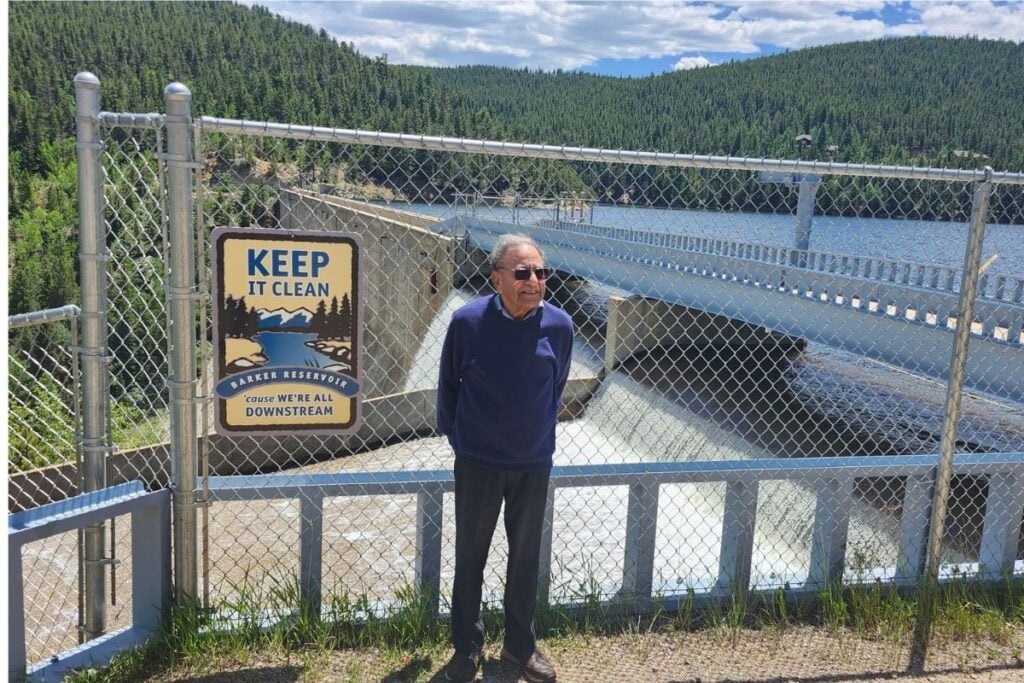
Since all before and after names are to bless the main name, this humble and intelligent man went by Riaz. If there is one thing that anyone ages 0-90 remembered about him, it was that he was always smiling, optimistic, supportive, encouraging of everyone and thoroughly fit as he never missed his morning walk. He only gave and did not believe in putting on male facades for a father, partner or telling misogynist jokes or harping about morality around men, friends, colleagues, elders or kids, around whom he could spend all day. For people of all faiths and all walks of life, loving him was so easy for he purely connected on a human level. No wonder many kids called him by the “father” title he had for his children, “Baba”.
Born before Pakistan came to be, he remembered the loss of livelihoods and ties all those who migrated dealt with and fondly spoke of the love he received from Sindhis in the Sindh Province of Pakistan which became his new home. He remembered selling combs and hair oil as a child and how he thought it would give him the riches to eat the foreign, Cadbury chocolate! Studying under the streetlamp as there was no electricity at home, he moved on to a long career as a civil engineer building bridges in Pakistan and Bangladesh. Yet all along, he remained an enthusiastic social science and humanities lover surrounded by maps, atlases, language dictionaries, religious exegesis, Marx’s words, poetry, music, movies and was always looking for history books and news articles that did not skew or hide facts.
Thanks to his humor and giving nature, he very easily established lifelong bonds with all strangers, neighbors, workers, kids and colleagues alike. People always knew they could trust his word. It was surprising for his family to see someone he had last seen as a kid spot him and quietly come to do a special handshake only they shared. Once, a colleague’s kid he hadn’t seen in decades moved to his city and summoned him to send her off as her father and Baba complied without a word exchanged! He built a comfortable house for his small family (yes, he strongly believed in no more than two planned children, no matter the gender) but opened his doors to street kids to come and study, for he strongly believed only education could erase all evils. Despite all the luxuries, he had learned to eat humbly and the only food he could define as bad was the rationed coal-looking rice during World War II had during blackouts! Sometime in his life, he chose a birth date and always chuckled about it since back then no one really knew their solar calendar birth dates!
If there was one thing that took his smile away, it was the mention of the ethnocide he eye-witnessed committed in East Pakistan on his fellow Bengali brethren. He knew that his ethnicity was the reason he returned home alive and used every discussion to tell people the real history, not what political populisms and state-ordained curricula preached. Having always worked and lived alongside people of different ethnicities and languages, he professed and taught one thing: The term human rights has no label, just the word human in it. If he saw human rights violation, no matter where, against which religious group, ethnic group, linguistic group, skin color or gender, he was the first to call it out even if it meant going against his own social identities and circles.
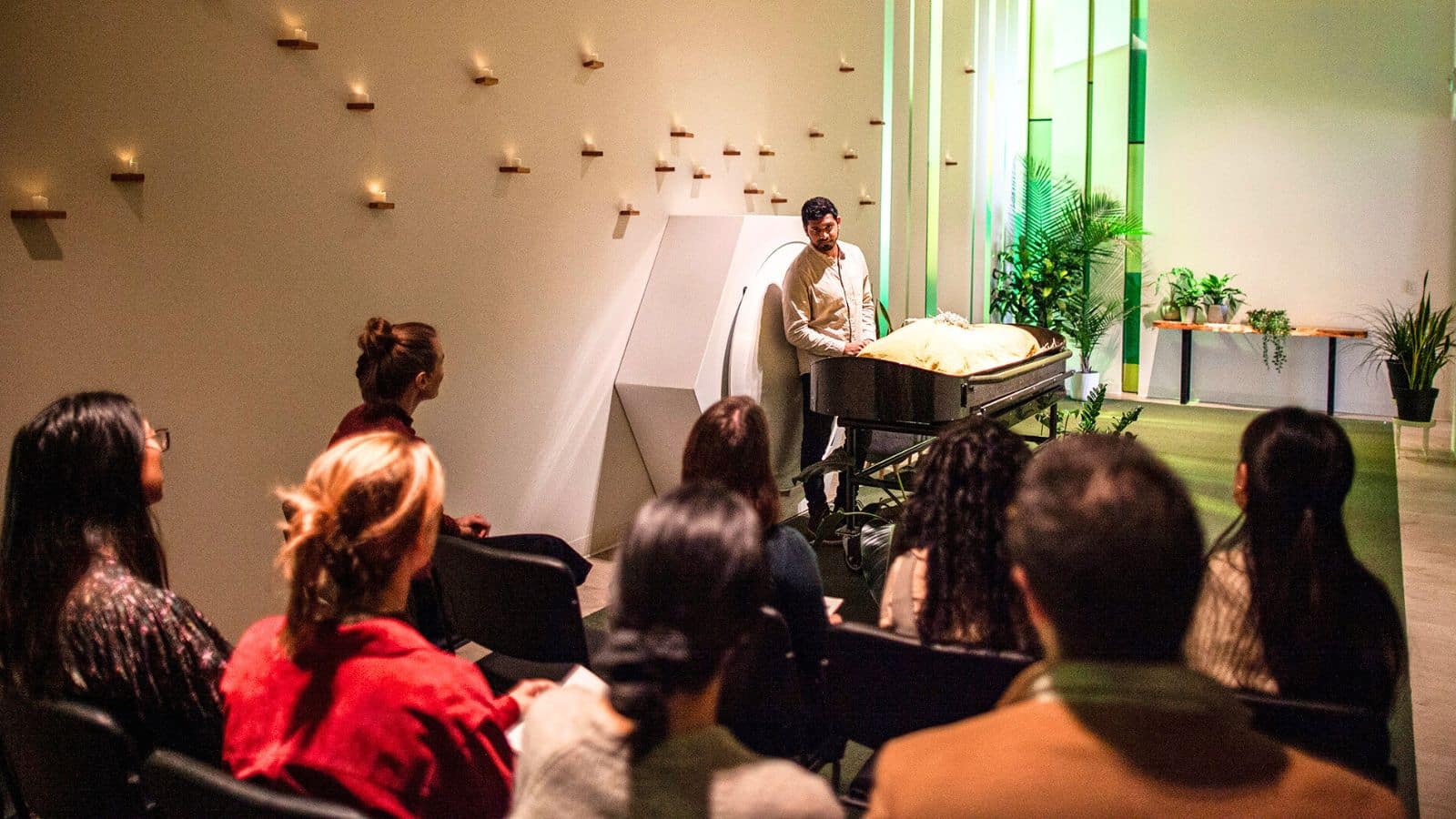
Riaz loved nature and kept monitoring the pomegranate tree, the shishito peppers, the okra, the tomatoes, the grapes and the mint in his backyard. His family will find great solace in finding him back in nature. They solemnly urge everyone to plant trees for our future generations. Riaz was a part of Teacher Usman’s movement to do rainwater harvesting and plant trees. If you too care for the environment, you can join too here and help us generate funds to save our planet’s water and breathe clean air.