




How to select and narrow options for your loved one’s obituary photos
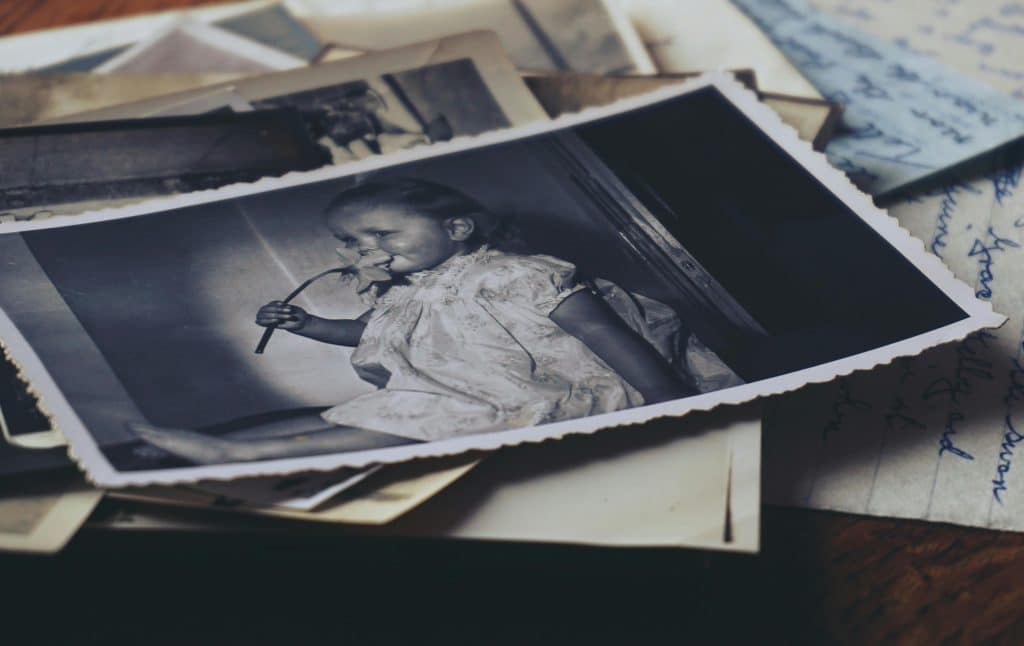
Choosing pictures for an obituary can be a meaningful and emotional activity. Whether you’re selecting a single portrait or a few key snapshots, the photos you choose can offer comfort, spark memories, and reflect their personality in a way that the written obituary may not be able to do.
Here are some tips to help you narrow options for your loved one’s obituary photos.
Selecting Photos
1. Start with a Recent Portrait
- Include at least one recent, high-quality photo where they’re easily recognizable
- If possible, select a digital image that’s well-lit, in focus, and shows them as people knew them
2. Add Photos from Different Life Stages
- Include childhood, young adult, midlife, and later years, if available, to help paint their life story
- This gives a visual timeline and helps connect with people from different parts of their lives
3. Include Candid Moments
- Add photos that show your loved one’s personality—smiling, laughing, or doing something they enjoyed
- Candid shots often feel more personal and relatable, and can spark fond memories
4. Highlight Relationships
- Include a few photos with family members, friends, or pets to reflect meaningful connections
- Avoid large group photos if it might be unclear to others where your loved one is in the picture
5. Feature Hobbies or Interests
- Include a few pictures of them engaged in favorite activities—gardening, traveling, cooking, playing music, etc.—however, they may have enjoyed spending time
6. Aim for High Quality Images
- When possible, make sure each photo is clear and not too dark, grainy, or pixelated
- Tech limitations can be challenging, especially for people who lived before smartphones.
- Printed photographs can be scanned with relative ease. If you can’t access a home scanner, stores like Office Depot or FedEx Office offer affordable scanning services.
- Slides (like 35mm film slides) can also be converted into digital photos, which likely requires sending them to a professional photo digitization service. Many companies specialize in scanning slides at high resolution and can return your images on a USB drive or via digital download.
- Higher resolution images (larger than 1,000 pixels) are better than low resolution photos and will not be pixelated once uploaded to the website or printed in a newspaper
- Landscape over portrait orientation is generally preferred for online images
Collecting Photos
Just like when writing the obituary, selecting photos can be a meaningful, collaborative process involving family and close friends.
We recommend reaching out to a broad circle of friends and family to gather a diverse and well-rounded collection from throughout your person’s life. Even if you choose not to use all or many of the photos, they can be used for other tributes like a video or digital slideshow.