
Is Human Composting Legal in Colorado?
Yes. In 2021, Colorado became the second state to legalize human composting.
Legalization Background
In early 2020, Recompose partnered with Colorado State Representative Brianna Titone to bring House Bill 20-1060 forward. After overwhelming support, the bill was postponed indefinitely due to budget concerns related to the COVID-19 pandemic. However, that wasn’t the end for human composting in Colorado. Representative Titone resurrected the bill during the next legislative session with her colleague, Representative Matt Soper. It passed with bipartisan support and was signed into law by Governor Jared Polis on May 10, 2021.
Thank you to our Colorado community and the bill sponsors for supporting this critical green death care policy.
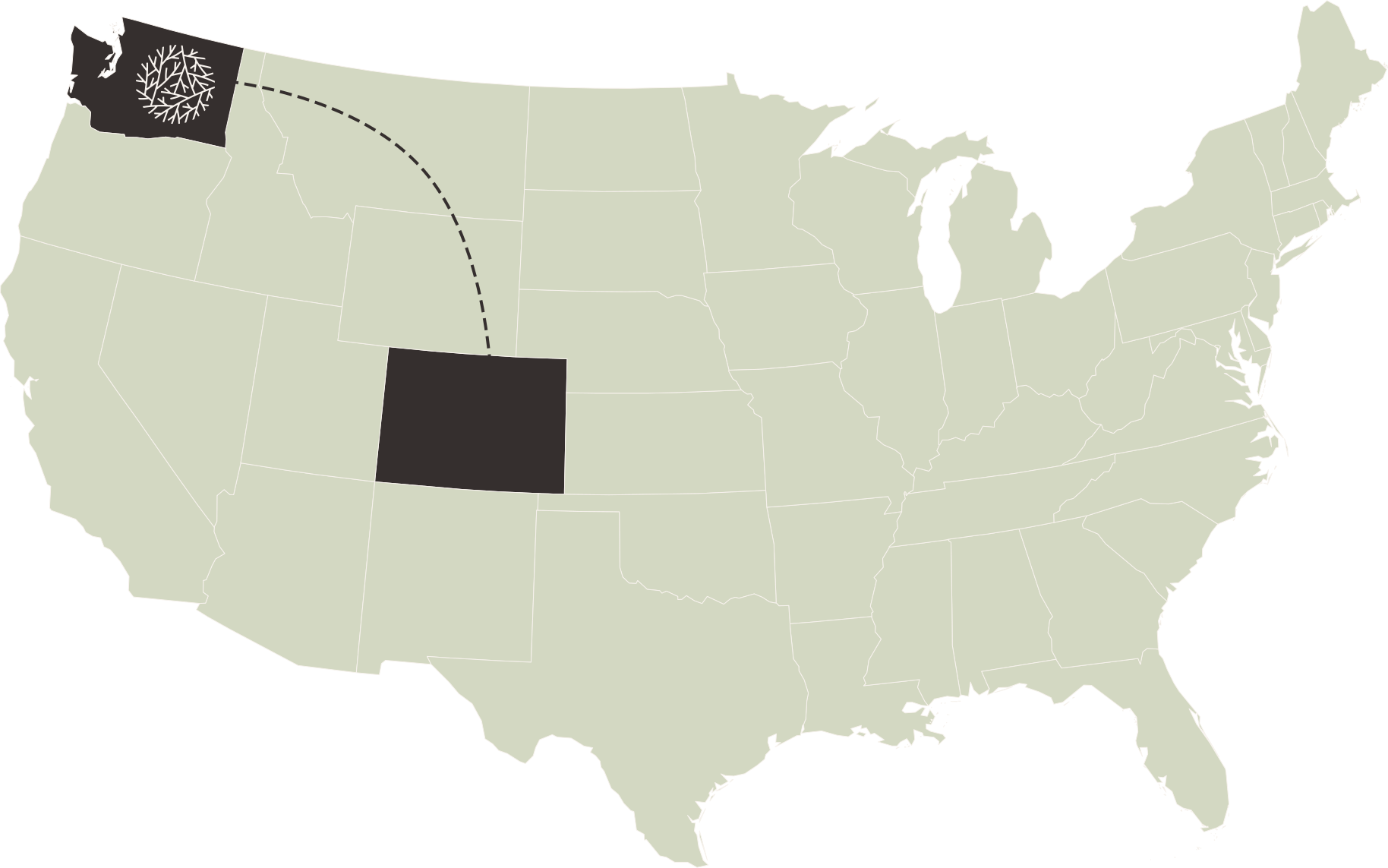
Access Human Composting from Colorado
Recompose offers our services to Coloradans by working with a funeral home in your area.
Join the Movement
We’re working to legalize human composting in other states and increase access to individuals everywhere. We can’t do this work without the support of engaged community members like you.
Here are a few ways to get involved.
- Subscribe to our newsletter
Get news and updates on the human composting movement - Shop Recompose Gifts & Gear
Show the world you’re a human composting enthusiast and nurture new conversations by sporting human composting gear - Tour Recompose
Sign up for an in-person or online tour to see our facility and learn more about human composting - Join Precompose
Set up a monthly plan to pay for your future human composting with Recompose
Frequently Asked Questions
Human Composting FAQs
How it Works
How does human composting work?
Human composting is the transformation of a human body into soil. Recompose places each body into a stainless steel vessel along with wood chips, alfalfa, and straw. Microbes that naturally occur on the plant material and on and in our bodies power the transformation into soil.
What happens to bones and teeth during human composting?
Bones and teeth do not fully break down in the human composting process due to their mineral composition. Similar to other forms of death care, equipment is needed to reduce the bones.
How long does human composting take?
The human composting process generally takes between two to three months. Our staff communicate timing and key moments throughout the process. Each body spends about five to seven weeks in a vessel, then the soil is transferred to an aerated bin to cure for an additional three to five weeks.
How does human composting reduce your carbon footprint?
Human composting saves carbon through a combination of factors. The process uses 87% less energy than cremation, which typically uses fossil fuel to create sustained heat of over 1,600 degrees Fahrenheit for 3 to 4 hours.
How much soil is created by human composting?
The Recompose human composting process creates approximately one cubic yard of soil per body which is roughly 3 x 3 x 3 feet. This amount fills the bed of most pickup trucks and weighs about 1,000 pounds. The process begins with three cubic yards of plant material.
Planning for Human Composting
How does the cost of human composting compare to other options?
Recompose aims to keep our costs comparable to other death care options. Our $7,000 price includes empathetic care and guidance from our Services team from the time of death through transformation into soil 8 to 12 weeks later.
Can you be an organ donor and still choose human composting?
Yes, you can donate your organs and choose human composting.
How can human composting soil be used?
The soil created by human composting is biologically valuable material that can be used to nourish trees and plants. It can be used in yards, flower gardens, trees, house plants, and in natural environments. Its pH of 6.5 – 7 is ideal for most plants. It has a balanced nutrient content with a good supply of macronutrients.
Serving Families Nationwide
While our roots are in Seattle, Recompose can bring people from all 50 states into our care. Talk with our team to learn more.