Bones and teeth do not fully break down in the human composting process due to their mineral composition. Similar to other forms of death care, equipment is needed to reduce the bones.
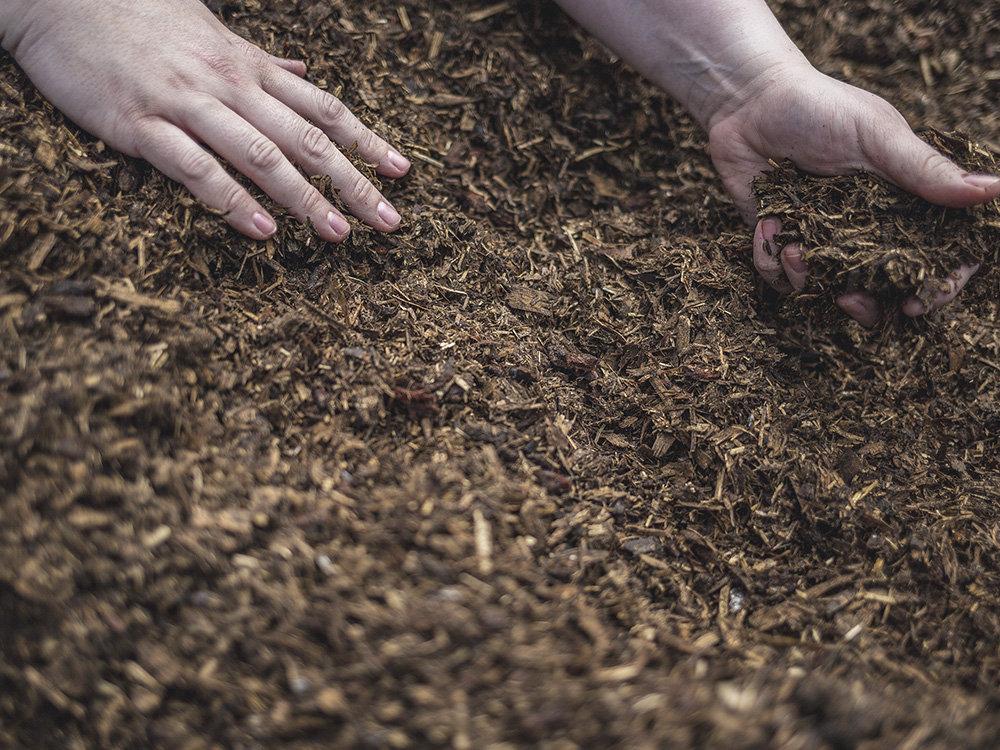
Microbes do the primary work of human composting. By controlling the ratio of carbon, nitrogen, oxygen, and moisture, human composting creates the perfect environment for microbes and beneficial bacteria to thrive. To create that environment, Recompose uses a mixture of plant materials carefully calibrated and tailored to each body.
Recompose staff rotate each vessel at several points during the process to ensure thorough aeration and exposure to resources for the microbes.
Bones are reduced to a fine powder by equipment after the soil is removed from the Recompose vessel. Staff also screen for non-organics such as implants, which are recycled whenever possible. The reduced bone is added back to the compost to help balance the compost nutrients and make minerals available to plants. It continues to break down and return to the environment over time.
Recompose follows all compost-testing regulations put forth by the Washington State Department of Licensing and the Board of Health. The pH range of Recompose compost is usually between 6.5 and 7, which is ideal for most plants.
Learn more about the human composting process.