
Our human composting service provides communities in Vermont, including Burlington, Montpelier, and Rutland, an opportunity to return their loved ones to nature. This sustainable alternative to burial or cremation transforms the body into life-giving soil after death.
Recompose pioneered human composting after years of dedicated research and innovation. We would be honored to support you and your family through the soil transformation process.
Recompose has appeared in
No human composting facilities exist in Vermont. However, Recompose offers services to residents of Vermont by coordinating transportation through our trusted partners or a local funeral home of your choosing, ensuring your loved one is safely brought into our care.
Once soil transformation is complete, you can choose from several options for how to use the soil, including having it returned to you in Vermont. You also have the opportunity to donate all or part of the soil to support restoration projects on protected lands cared for by conservation organizations.

In 2011, Katrina Spade set out to develop a more sustainable funeral option. By 2017, Katrina had invented human composting, led Washington State to legalize it, and started Recompose. Today, Recompose provides funeral services to clients in all 50 states.
Recompose is a green funeral home specializing in soil transformation. With decades of experience, our staff are the leading experts in human composting. We are proud to offer you full support and help during this time of transition.
Best Funeral Home in the PNW
2023, 2024, & 2025

Our dedicated care team is here to support you every step of the way.

Whether a death has occurred or is near, start making arrangements online, in person, or on the phone at (425) 584-5998. We are available any time, day or night.

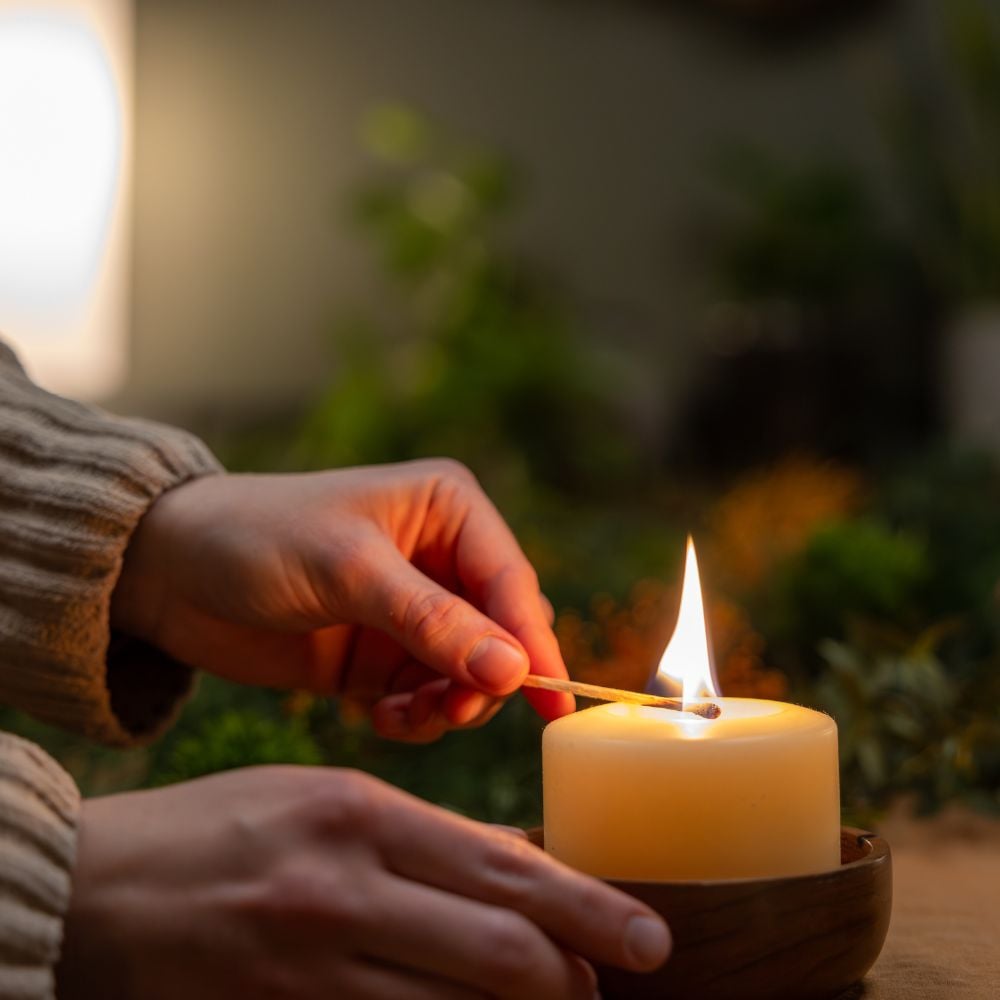
When you are ready, we’ll coordinate the safe transport of your loved one into our care.
Over an 8 to 12 week process, your loved one will transform into life-giving soil. Our funeral directors will keep you informed throughout the process.

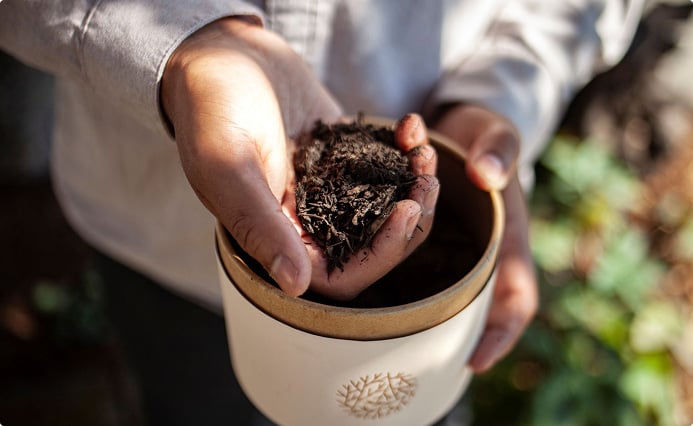
Soil can be used for gardens, trees, or to scatter across favorite places. You may also donate any amount to support conservation projects on protected lands stewarded by conservation organizations.
Human Composting FAQs
Human composting is the transformation of a human body into soil. Recompose places each body into a stainless steel vessel along with wood chips, alfalfa, and straw. Microbes that naturally occur on the plant material and on and in our bodies power the transformation into soil.
Over the next five to seven weeks, the body inside the vessel breaks down thanks to the natural action of the microbes. The soil is then removed from the vessel, screened for non-organic items such as hip replacements or stents, and allowed to cure for an additional three to five weeks.
Once the process is complete, the soil can be used on trees and plants, or donated to conservation efforts. Each body creates about one cubic yard of soil.
Watch Recompose Founder and CEO, Katrina Spade, describe how human composting works during her 2023 talk at the End Well Conference.
Learn more about the steps involved in the human composting process.
The human composting process generally takes between two to three months. Our staff communicate timing and key moments throughout the process. Each body spends about five to seven weeks in a vessel, then the soil is transferred to an aerated bin to cure for an additional three to five weeks.
Recompose follows all compost-testing regulations put forth by the Washington State Department of Licensing and the Board of Health. The pH range of Recompose compost is usually between 6.5 and 7, which is ideal for most plants. Learn more about the composition of Recompose soil here.
Watch Recompose Founder and CEO, Katrina Spade, describe timing in the human composting process during her 2023 talk at the End Well Conference.
Learn more about the steps involved in the human composting process.
Bones and teeth do not fully break down in the human composting process due to their mineral composition. Similar to other forms of death care, equipment is needed to reduce the bones.
Microbes do the primary work of human composting. By controlling the ratio of carbon, nitrogen, oxygen, and moisture, human composting creates the perfect environment for microbes and beneficial bacteria to thrive. To create that environment, Recompose uses a mixture of plant materials carefully calibrated and tailored to each body.
Recompose staff rotate each vessel at several points during the process to ensure thorough aeration and exposure to resources for the microbes.
Bones are reduced to a fine powder by equipment after the soil is removed from the Recompose vessel. Staff also screen for non-organics such as implants, which are recycled whenever possible. The reduced bone is added back to the compost to help balance the compost nutrients and make minerals available to plants. It continues to break down and return to the environment over time.
Recompose follows all compost-testing regulations put forth by the Washington State Department of Licensing and the Board of Health. The pH range of Recompose compost is usually between 6.5 and 7, which is ideal for most plants.
The Recompose process creates approximately one cubic yard of soil—approximately 1,000 pounds. Soil tests indicate compost created by the Recompose process is appropriate for established shrubs, trees, house plants, and flower gardens; use on tender annuals should be avoided.
Analysis indicates compost that is good for use on plants. The pH range of Recompose compost is usually between 6.5 and 7, which is ideal for most plants. Electrical conductivity is moderate, indicating the presence of soluble (plant-available) ions. The nitrogen-phosphorus-potassium-sulfur content is balanced, providing good nutrient content with a good supply of macronutrients.
Respiration test results indicate Recompose compost is at “Very Stable” levels, indicating that most of the “fast pool” of sugars have been used up by microbes and nutrients are stabilized. Nitrate content is high, indicating aerobic status and advanced decomposition. Bioassay does show relative immaturity, so we recommend use as a mulch and at lower concentration around roots of young plants.
Recompose follows all compost-testing regulations put forth by the Washington State Department of Licensing and the Board of Health.
How does the cost of human composting compare to other options?
Recompose aims to keep our costs comparable to other death care options. Our $7,000 price includes empathetic care and guidance from our Services team from the time of death through transformation into soil 8 to 12 weeks later.
According to a 2023 study conducted by the National Funeral Directors Association, the median cost for a funeral with a coffin and burial is $8,300 (not including the burial plot itself, which can range from the hundreds to the tens of thousands) and the median cost for cremation is $6,280.
We strive to be straightforward about our pricing and services so you are informed and know what to expect. Recompose operates with integrity and clarity and will never try to upsell you. Learn more about our services and find a list of current pricing for all services in our General Price List.
We are committed to bringing ecological death care to as many people as possible. This includes providing our services at a subsidized rate to individuals who could not otherwise afford to pay our full price through our Community Fund.
Human composting saves carbon through a combination of factors. The process uses 87% less energy than cremation, which typically uses fossil fuel to create sustained heat of over 1,600 degrees Fahrenheit for 3 to 4 hours.
No casket or coffin is used during human composting, nor is a concrete grave liner required – all items that add to the carbon footprint of a death.
When human composting transforms the organic material of our bodies, the carbon is captured, or sequestered, in the soil created. Rather than being released as carbon dioxide gas through exhaust during a cremation or as a hydrocarbon gas like methane, the carbon contained in each body returns to the earth. As the nutrients in the compost are used over time by the plants in contact with it, the impact of a person’s choice for human composting continues to expand exponentially.
Your Final Choice Impacts the Earth
Beyond cremation, caskets, and carbon lies a more meaningful return. By choosing soil transformation, your loved one’s final act becomes a gift to the planet, helping forests and future generations thrive.

contributes to climate change
It burns fossil fuels and emits carbon dioxide and toxic particulates into the air.

pollutes soil and consumes valuable land
Caskets use 4 million acres of forest every year in the U.S. alone.

saves 1 metric ton of carbon pollution
Your loved one’s body is transformed into life-giving soil.
Voted the best funeral home in the Pacific Northwest for the last three years, Recompose earned this recognition by attentively caring for hundreds of families.

Simple, transparent pricing. No hidden fees.

Recompose offers services to families in all 50 states
Whether you're navigating a recent loss or planning ahead, our team is here to answer questions, explain your options, and help you take the next step.
If a death has occured, our team is available by phone 24/7 to speak with you.
Fill out the form to begin making arrangements.
"*" indicates required fields
Get the latest on human composting, inspiring content about the end of life, and useful planning resources delivered to your inbox monthly.
"*" indicates required fields