How Human Composting Works at Recompose

From First Call to Finished Soil

Our team is here to guide you through every step of the process and help you understand what comes next.

Recompose founder Katrina Spade spent over a decade researching and developing the human composting process, turning her vision for a more natural approach to death care into a reality.

What to Do After a Death

Your Person, Your Pace

When you’re ready, call us. Our team is here day or night to guide you through what comes next.

A licensed funeral director will guide you through the necessary paperwork, decisions, and planning to design an experience for your person.

Before your person comes into our care, you can take time to be with them. There is no need to rush.

Recompose will coordinate transportation from any of the 50 states. For those within Washington state and Portland, OR, transportation is complementary.

The Recompose Process

Nature’s Work,
Tended With Care
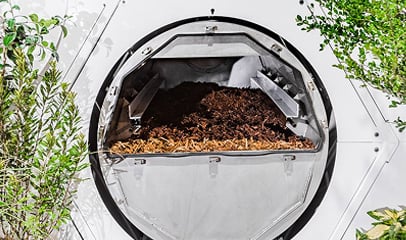
An open human composting vessel contains a mixture of wood chips, alfalfa, and straw

Phase 01

Placement in the Vessel​
The body is placed in a vessel with wood chips, alfalfa, and straw.​
Family and friends can add personal touches, such as flowers or handwritten notes, before the vessel is closed. This offers a meaningful way to honor your person and the beginning of their transformation.
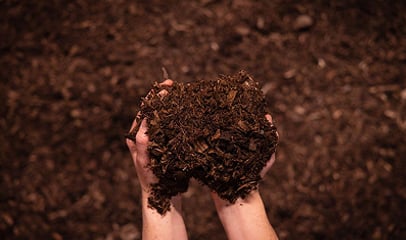
Hands hold soil created through human composting.

Phase 02

Soil Transformation​​
Natural microbes transform the body into soil, which is then removed to cure.​
Our team carefully tends the conditions inside each vessel as naturally occurring microbes transform your person’s body into soil. Their soil is then removed to cure and complete its transformation.
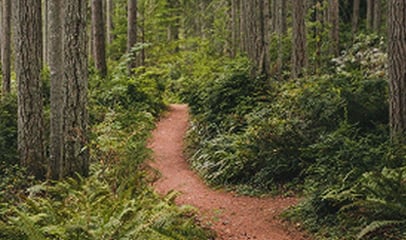
A wooded path at Vashon-Maury Island Land Trust, where Recompose donates soil.

Phase 03

Life After Death Begins​​​
Family and friends choose what to do with their person’s soil.​
Once the transformation is complete, new ways to honor your person's life become possible. Their soil can be used to nourish everything from favorite houseplants to beloved gardens, shared with loved ones, or donated to conservation through Recompose's Land Program.
At Recompose, we create carefully controlled conditions that allow for the natural process of human composting to unfold over 8-12 weeks.
What Comes After

The Story Lives on in the Soil

Each body creates approximately one cubic yard of nutrient-rich soil, which family and friends can choose to keep, share, or donate.


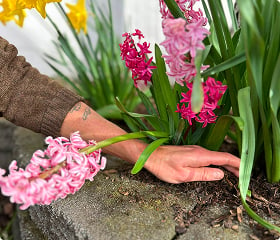
A hand spreads Recompose soil around pink flowers.

Plant

Use your person’s soil to nourish a tree, garden, or houseplant.

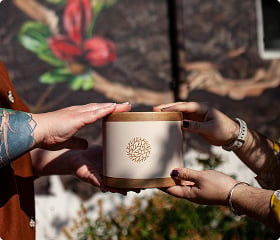
Two hands hold a Recompose soil container outside the Seattle facility.

Share

Give soil to friends and family so they can honor your person in their own way.

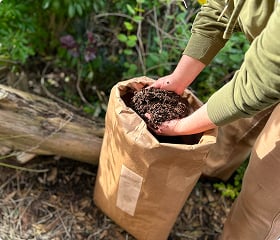
Hands hold a bag of Recompose soil to scatter into nature.

Scatter

Return soil to a favorite place, reconnecting your person to somewhere they loved.

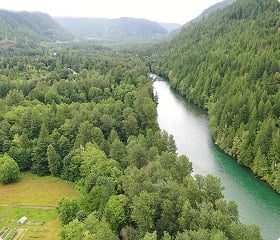
A river and forest landscape at Skagit Land Trust, where Recompose donates soil.

Donate

Donate some or all of the soil to the Land Program to support conservation.

We’ll Meet You Where You Are

Whether a death has occurred, the end of life is near, or you’re planning for the future, we’re here to help you take the next step.

We're here for you.

If a death has occured, our team is available by phone 24/7 to speak with you.

Fill out the form to begin making arrangements.

"*" indicates required fields

This field is for validation purposes and should be left unchanged.

Subscribe To Our Newsletter

Get the latest on human composting, inspiring content about the end of life, and useful planning resources delivered to your inbox monthly.